Is Spain a Good Place to Live? Pros and Cons for Expats
What’s on this page?
- Background to Living in Spain
- Advantages of Living in Spain
- Life in Spain with family
- Pros and cons of living in Spain: briefly
- Challenges of Living in Spain
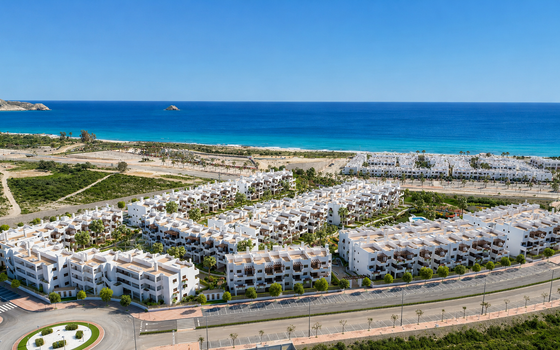
Is Spain a good place to live? For many people from all over the world - yes! This view is supported not only by the country's beauty but also by the practical benefits for those who decide to settle here long-term. Expats who have chosen Spain highlight the comfort, warmth, and openness of the local culture.
Background to Living in Spain
Every year, thousands of people ask themselves: is moving to Spain a good idea? And there are plenty of reasons why the answer might be yes:
- a pleasant climate,
- high-quality healthcare,
- affordable cost of living,
- relatively cheap property compared to other EU countries,
- a welcoming attitude towards expats,
- and countless places to relax and unwind.
Life in Spain is rarely dull: traditions are actively observed, local festivals are widely celebrated, and the lifestyle is laid-back, with a strong focus on rest and family. Is Spain good to live in - this is a question many newcomers ask themselves. Most of them would agree: yes, although, as in any country, there are challenges to face.
An interesting fact: Spain is the second country in the world in terms of the number of UNESCO World Heritage Sites, just after Italy. This makes it one of the most culturally rich countries to live in!

Climate is also an important factor — from the mild Mediterranean weather along the coast to the more continental climate in the central regions. Cities like Valencia, Barcelona, and Alicante attract expats with their blend of urban life, nature, and the sea. It's no surprise that more and more people, especially those thinking about retiring, are choosing Spain for a new chapter in life.
So, is it good to live in Spain? That largely depends on personal expectations and experiences. But the overall trend suggests that Spain is a good country to live in - particularly for those who value a balance between work, personal life, and quality of the environment.
Advantages of Living in Spain
One of the main reasons why Spain is a nice place to live is its relatively affordable cost of living compared to other Western European countries. For instance, expenses in cities like Alicante or Valencia can be significantly lower than in Paris, London, or Amsterdam.
Interesting fact: According to Numbeo’s rankings, Spain is among the top 5 European countries with the lowest cost of living among developed EU nations.
Affordable Cost of Living
The biggest savings expats usually notice are in the area of residency. On average, rental prices are 30–50% lower than in major EU capitals. In smaller towns and villages, the situation is even more attractive: you can find cosy housing at an affordable price - another clear answer to the question is moving to Spain a good idea for families, couples, and retirees.
Everyday expenses are also pleasantly surprising. Prices for groceries, transport, services, and entertainment are generally quite reasonable.
- A meal at a café or tapas bar typically costs between €10 and €15.
- Public transport fares range from €1.50 to €2, with a monthly pass costing around €40.
Affordable and high-quality property
Besides low rental costs, Spain also attracts with the opportunity to purchase property at relatively affordable prices. In cities like Alicante or Valencia, a modern apartment for sale in Alicante province can be bought for about half the price compared to most European capitals.
It is especially advantageous to invest in secondary housing or property in coastal regions, where there are many offers and steady demand among foreigners.
Advice from WTG: For those seeking peace and quiet, it’s worth considering small towns and villages — property there can be surprisingly cheap, especially given the quality of construction and surrounding infrastructure.
This is yet another answer to the question is Spain good for expats - because it’s truly possible to purchase comfortable housing here even on a moderate budget.

Quality Healthcare System
Another important reason — and a clear answer to the question is Spain a good country to live in - is its high-quality healthcare system. The country offers one of the best medical systems in Europe, which is a significant advantage for both locals and expats.
There are two main types of healthcare:
- the public system (part of the social security system),
- and private medicine.
Public healthcare provides free or very affordable access to doctors, hospitals, and specialists for those who are officially employed or have resident status. For expats who contribute to the system or have certain benefits, services are available on par with those for citizens.
Private clinics, on the other hand, offer even quicker access to specialists and English-speaking services, which is often a plus for foreigners. The cost of private insurance can range from €40 to €100 per month, depending on age and service package.
Interesting fact: Spain ranks among the top countries in the world for life expectancy - over 83 years on average, which is partly explained by its advanced healthcare system.
Thanks to the high level of safety in medical facilities, accessibility of services, and staff qualifications, many expats consider Spanish healthcare an example of an efficient and compassionate system. So, if you’re wondering is it good to live in Spain, the quality of healthcare will be a strong argument in favour.
Pleasant Climate
The pleasant climate is also a clear answer to the question is Spain a good place to live. The country’s geographical location provides a wide range of weather conditions: from hot Mediterranean on the coast to mild oceanic in the north and dry continental in the centre.

The southern regions of the country are famous for a high number of sunny days - up to 320 per year - which particularly attracts those dreaming of living by the sea or looking for a place for retiring in a warm climate. The Costa Blanca coast, where Alicante, Murcia, and Valencia are located, is appealing thanks to mild winters, gentle summers, and sea breezes.
For expats accustomed to rainy and cold weather, life in Spain becomes a real relief. This is especially noticeable in winter, when many parts of the country remain warm and sunny. The Mediterranean climate encourages an active lifestyle: outdoor walks, beach relaxation, cycling - all part of the daily routine.
Besides physical comfort, the warm climate positively affects mental and emotional well-being. Many note that it’s thanks to the weather that they first experienced a true quality of life and managed to balance work and rest. This is yet another strong argument when considering is Spain good for expats and is Spain good place to live.
Rich Cultural Heritage
When we talk about whether Spain is a good place to live, we can’t overlook its rich cultural heritage. Spain is a country with deep historical roots, and each region has its own unique identity, architecture, cuisine, and traditions.
From the Gothic cathedrals of Barcelona to the Moorish palaces of Granada, from flamenco in Andalusia to contemporary art in Madrid - all of this shapes a cultural diversity that attracts not only tourists but also those who decide to settle here.

The country's residents proudly preserve and uphold local traditions - fiestas, religious processions, culinary festivals. Participating in such events allows expats to better integrate into the local community and feel part of a living culture.
Spain is a country that combines past and present: history breathes at every step, while contemporary culture, music, design, and technology actively develop. This creates a unique environment for those seeking not only a comfortable but also a spiritually fulfilling life.
If you’re wondering is it good to live in Spain, its rich cultural heritage will be an undeniable “yes” in response.
Expat-Friendly Communities
One key argument in response to the question is Spain good place to live is its openness to newcomers. The country has a large number of expat communities that actively support each other and help with adapting to the new environment.
Cities like Barcelona, Alicante, and Valencia have long become magnets for foreigners from all over the world. They offer English-speaking schools, international business networks, support groups on social media, as well as numerous volunteer and cultural initiatives.
Interesting fact: It is estimated that over 6 million foreigners live permanently in Spain, making it one of the most popular places in the world for expats.
Spain is particularly comfortable for pensioners and families with children, as the country offers a high level of safety and a friendly social environment. Moreover, many regions have dedicated residential areas where a significant number of foreigners live - this greatly facilitates communication and everyday integration.
In many cities, there are resources and support services available, such as:
- legal assistance for newcomers,
- language courses,
- community centres,
- cultural clubs.
Thanks to this, a new life in Spain begins with a sense of acceptance and support, easing doubts about whether is moving to Spain a good idea — even for those who don’t speak Spanish from day one.
So, when asked is it good to live in Spain, expats often answer positively not only because of the climate and prices but also due to the warmth and openness of the local social environment.
Life in Spain with family
Spain is not only a pleasant place for retirement or remote work but also a great option for those planning to move with children.
Education and schools
Spain offers an accessible system of public and private schools. In major cities, there are many English-speaking and international schools, which make it easier for expat children to adapt. Public schools are free but require a basic level of Spanish.
Kindergartens and preschools
Preschool education is well organised: there are municipal nurseries with low fees or even free of charge, as well as private alternatives. Learning takes place through play activities, with great emphasis on socialisation and language development.
Safety and pediatric medicine
Spain has a high level of safety and a well-developed system of paediatric care. All children with residency have the right to free medical care in public clinics.
Interesting fact: Many families move specifically with the aim of raising their children in an environment with less stress, greater environmental awareness, and a healthy lifestyle.

Pros and cons of living in Spain: briefly
| Pros | Cons |
| Pleasant climate and many sunny days | Bureaucracy: slow and complicated processes |
| Affordable cost of living | Difficulties with employment, especially without language skills |
| Quality healthcare, even for foreigners | Language barrier in the public sector and everyday communication |
| Developed expat communities and friendly attitude towards foreigners | Seasonal economy in tourist regions |
| Opportunity to buy property at a reasonable price |
Challenges of Living in Spain
Despite all the advantages, it is important to consider the challenges that expats may face in order to fully understand whether is Spain a good place to live.
Bureaucracy and Paperwork
Processes related to obtaining residency, registering a business, or even handling banking matters can be lengthy and complicated. Often, you have to deal with queues, lack of online tools, and the need for in-person visits. This becomes a real challenge for newcomers.
Job Market
Although Spain has great potential, the job market here is complex, especially for young professionals or those who don’t speak Spanish. The unemployment rate in some regions is quite high, and competition for skilled positions is significant. The best prospects are for IT specialists, workers in the tourism sector, and English teachers.
Language Barrier
While many people in expat-popular cities speak English, knowing Spanish significantly eases daily life. Without it, it’s difficult to integrate into the local community, find good work, or access public services.
Seasonality and Economic Fluctuations
Some regions, especially tourist areas, heavily depend on the season. During the low season, many businesses close or reduce working hours, which can affect income, especially for the self-employed.
Despite these challenges, for many, the advantages outweigh the drawbacks. If you take into account the country’s specifics and are ready to adapt, the answer to “Is Spain a good place to raise a family?” or “Is Spain good for expats?” will confidently be - yes.